
How AI Is Transforming EdTech: The Future of Learning
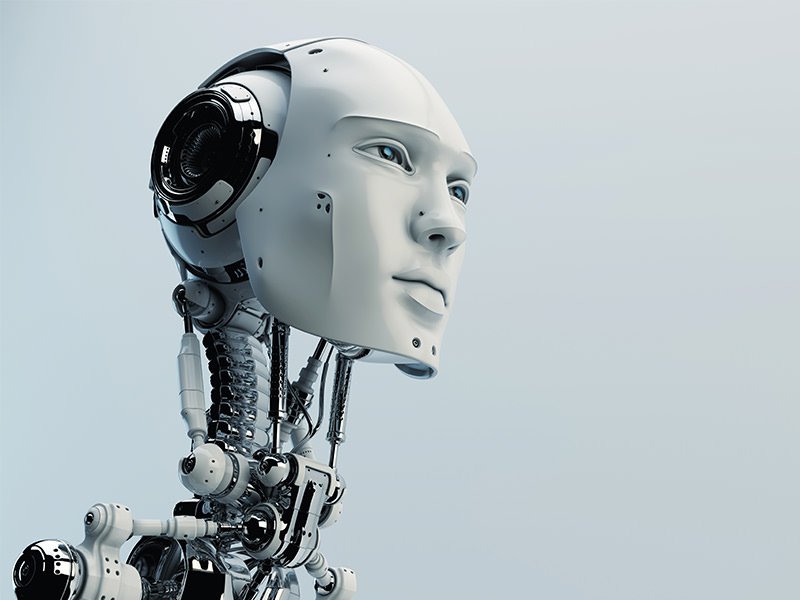
The education industry is undergoing a seismic shift. With the rapid rise of Artificial Intelligence (AI), traditional teaching methods are being reimagined to create smarter, more personalized, and more accessible learning experiences. From adaptive learning platforms to AI tutors, EdTech is no longer just a digital extension of the classroom — it’s becoming a powerful intelligence-driven ecosystem.
1. Personalized Learning at Scale
One of AI’s biggest contributions to EdTech is adaptive learning. AI algorithms can analyze student performance in real time and adjust lesson difficulty, content type, or pacing accordingly.
-
Struggling students get targeted support and practice.
-
Advanced learners are challenged with deeper material.
-
Teachers gain insights into each learner’s strengths and weaknesses.
Platforms powered by AI, like Khanmigo (from Khan Academy) or Duolingo, use AI to provide customized learning paths — ensuring no student is left behind.
2. Intelligent Tutoring Systems
AI-powered tutoring goes beyond static learning modules. Through natural language processing, virtual tutors can simulate human-like interactions, guiding students through problems, answering questions, and offering instant feedback.
Unlike traditional tutoring, these AI systems are available 24/7 — making quality learning support more affordable and accessible to a global audience.
3. Automation of Administrative Tasks
Teachers and institutions often spend significant time on grading, scheduling, attendance, and reporting. AI automates many of these repetitive administrative processes, allowing educators to focus on teaching rather than paperwork.
For example, AI can:
-
Grade multiple-choice and even some open-ended assessments.
-
Track student engagement metrics automatically.
-
Identify at-risk students early using predictive analytics.
4. Real-Time Feedback and Assessment
In traditional education, feedback often comes after exams or assignments are completed. With AI, feedback becomes instantaneous and continuous. Systems can monitor how students interact with content and provide:
-
Hints when they get stuck,
-
Encouragement when they succeed, and
-
Actionable insights for improvement.
This real-time learning loop leads to better knowledge retention and improved outcomes.
5. Breaking Language and Accessibility Barriers
AI-powered translation and speech recognition tools are making education more inclusive. For students from non-English-speaking backgrounds or those with disabilities, AI can:
-
Translate course material into multiple languages,
-
Provide real-time captions during lectures,
-
Convert text to speech and vice versa.
This empowers institutions to reach a global and diverse learner base like never before.
6. Data-Driven Insights for Educators
With AI analytics, educators and institutions can:
-
Identify trends in student engagement,
-
Predict learning outcomes,
-
Personalize curricula, and
-
Intervene early to support struggling students.
This evidence-based decision-making is revolutionizing how education is planned, delivered, and improved over time.
7. Immersive and Experiential Learning
AI combined with extended reality (XR)—including AR and VR—is creating immersive learning environments. Students can explore historical events, conduct science experiments virtually, or practice complex skills like surgery or engineering in simulated, risk-free settings.
This hands-on, experiential learning boosts engagement and retention.
8. Ethical and Privacy Considerations
As AI becomes deeply embedded in EdTech, it also raises important issues around data privacy, algorithmic bias, and transparency. Educational institutions must ensure:
-
Responsible data collection and storage,
-
Fair and unbiased AI models, and
-
Clear communication with learners and parents.
Building trust and accountability will be crucial to AI’s long-term success in education.
The Future of EdTech with AI
The integration of AI into education is still evolving, but its impact is already profound. By making learning personalized, inclusive, and efficient, AI is:
-
Empowering teachers,
-
Engaging students, and
-
Expanding access to quality education globally.
What lies ahead is an AI-powered education ecosystem where technology doesn’t replace teachers — it amplifies their impact.
AI and EdTech: A New Era of Learning
EdTech (education technology) has always aimed to make learning more efficient and engaging. But with AI integrated into these platforms, education is becoming more adaptive, data-driven, and inclusive. Instead of one-size-fits-all models, AI enables personalized learning journeys that meet each student where they are.
